Visible security can help control access before an incident becomes a disruption. In the UK, security officers carrying out licensable guarding work must hold a valid SIA licence, according to the Security Industry Authority. Manned guarding services place officers on site to help deter theft, vandalism and unauthorised access.
That visible presence is useful where people, property or daily operations need direct oversight. The right arrangement depends on the site, its access points, operating hours and the risks to be managed.
This guide explains when manned guarding may suit a business or retail setting, and how it can support security at corporate buildings, meetings and events. It also compares physical guarding with electronic-only measures, explains what to consider when selecting a provider and shows how officers can support consistent site procedures. You’ll have a clearer basis for deciding whether on-site guarding fits your security requirements.
Key Takeaways
- Assess whether your site needs a visible on-site presence, direct access oversight or a combination of guarding and electronic measures.
- Security officers in manned guarding roles are typically vetted under BS 7858, according to the British Standards Institution.
- Match the guarding approach to the setting, its access points and the risks affecting people, property and daily operations.
- For construction, corporate, industrial or event security requirements, FMT Security can provide a tailored guarding approach.
Manned guarding vs electronic-only security: which is right for your site?
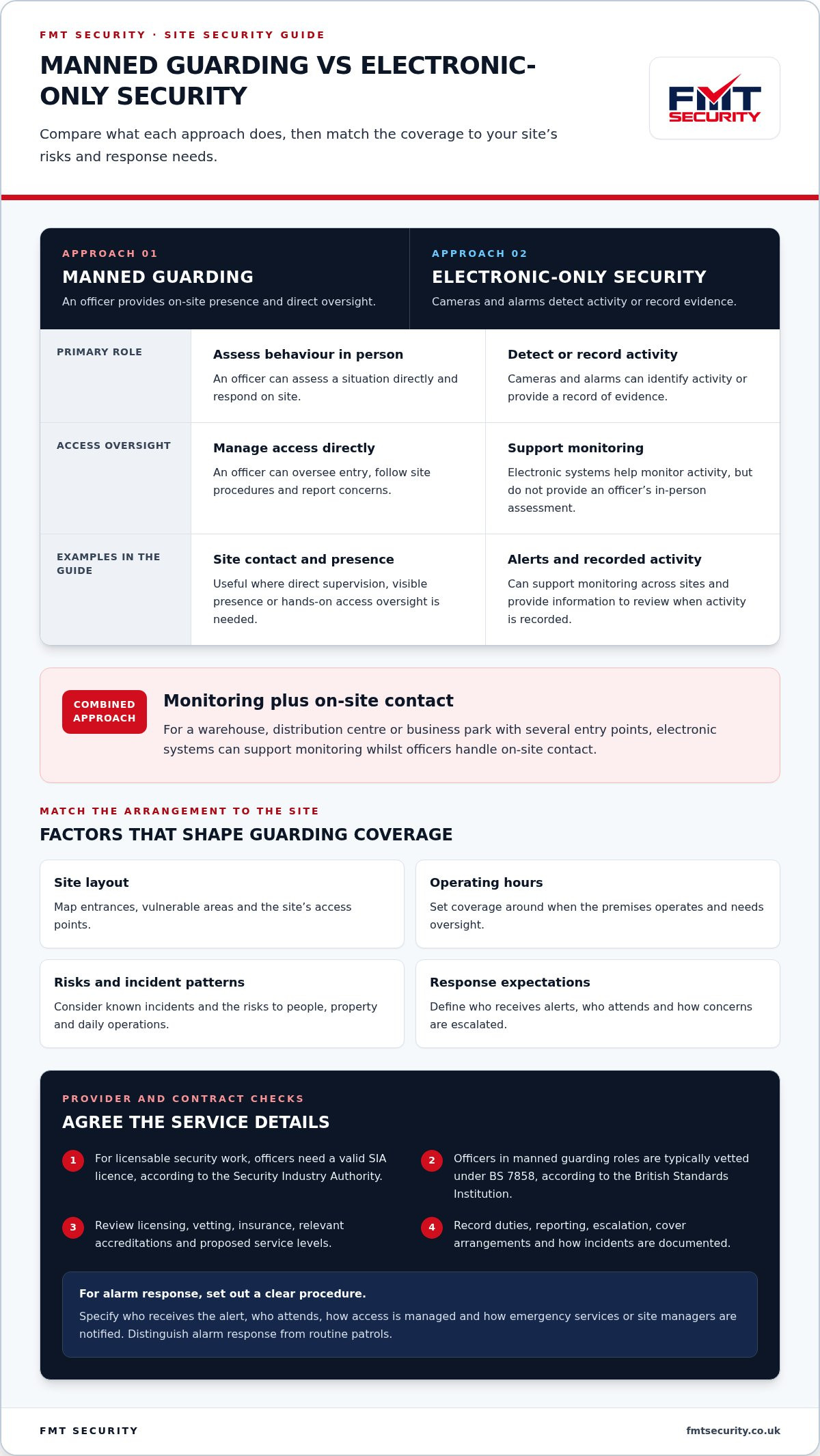
Choose according to the risks your site faces and the response they require. An officer can assess behaviour and respond in person; electronic security can detect or record activity.
SIA-licensed officer provision
For licensable security work, officers need a valid licence, according to the Security Industry Authority. Security officers in manned guarding roles are typically vetted under BS 7858, the British Standard for screening individuals employed in a security environment, according to the British Standards Institution.
When assessing a guarding company, review officer licensing, vetting, insurance and the proposed service levels. Also consider whether the provider has relevant industry accreditations and whether its procedures fit your operational needs.
Manned and electronic security
Cameras and alarms can detect activity or record evidence, while an officer can assess the situation directly, manage access and report concerns. A combined approach may suit a warehouse, distribution centre or business park with several entry points: electronic systems support monitoring while officers handle on-site contact.
Contract terms should define duties, reporting, escalation and cover arrangements. The scope of manned guarding depends on the site, operating hours, risk profile, staffing requirements and response expectations. Request a quote based on these details.
Emergency and alarm response
Arson alarms and other emergency signals need a clear procedure, not an improvised response. Establish who receives the alert, who attends, how access is managed and how emergency services or site managers are notified.
For example, a warehouse procedure can specify how an officer checks the affected area safely, records observations and escalates concerns. The contract should distinguish alarm response from routine patrols and state how incidents are documented.
Assessing site security needs
Map entrances, vulnerable areas, operating hours and known incident patterns, then identify where direct supervision is necessary. A retail site may prioritise a customer-facing presence; an education setting may need controlled visitor access, while public-sector premises may require consistent entry procedures.
Choose the level of guarding by matching officer duties and coverage to those risks. To check a provider’s SIA Approved Contractor Scheme status, consult the Security Industry Authority’s current contractor information and confirm the relevant service scope. Record the agreed duties, vetting, insurance, reporting and service levels in the contract.
Coverage for commercial, industrial, residential and retail sites
Guarding arrangements should reflect how each premises is used, which assets are exposed and who needs access. A corporate office may need reception oversight and visitor sign-in, while an industrial environment may require checks around loading bays, plant and restricted areas. Retail cover can focus on customer-facing presence, staff support and observing suspicious behaviour. Residential settings have different privacy and access considerations, so the required duties should be defined around the property and its occupants.
For businesses operating across England, Wales and Scotland, nationwide coverage means coordinating consistent procedures across locations, not simply placing officers at each address. Establish the same access rules, incident reporting route and escalation process at every premises, then account for local conditions such as opening hours and site layout. A multi-site schedule can identify which locations need static presence, which need periodic attendance and where managers require incident updates.
Industry requirements also shape the deployment. A warehouse may need attention at delivery entrances and vehicle movements; a business park may require visible coverage of shared access points. At retail premises, duties can include monitoring entrances and supporting orderly access during busy periods. These examples help define the service scope and align guarding with operational needs and compliance responsibilities.
Short-term event cover is suited to a defined period, such as a conference, exhibition or public gathering. Set out entry arrangements, staff and visitor routes, restricted areas, incident reporting and the event’s closing procedure before deployment. For a temporary requirement, consider event security arrangements alongside the venue’s own access and emergency procedures.
Compare locations by exposure, operating patterns and the consequences of an incident. A documented site schedule helps allocate officers consistently while allowing premises with different risks to receive different levels of coverage.
Deterring theft, vandalism and unauthorised access
Visible guarding makes access oversight part of daily site activity and can support property protection. A clear incident procedure helps staff respond consistently to theft, damage or suspicious behaviour.
Visible crime deterrence
An officer positioned at a reception, entrance or vehicle gate provides a visible deterrent and can challenge access that does not follow site procedures. London recorded 55,000 burglaries from 2022 to 2023, illustrating why businesses may assess physical exposure alongside other security measures.
Placement matters. At a warehouse, an officer near a loading entrance can observe arrivals and departures; at a retail premises, a visible presence near the entrance can support staff and monitor activity. Before coverage begins, define patrol areas, reporting routes and the response to unauthorised access.
Professional conduct is central to effective deterrence. Officers should follow agreed procedures, communicate calmly with staff and record relevant behaviour without escalating routine interactions. The aim is to protect people and property through vigilance, not confrontation.
Theft prevention and incident management
Reduce opportunities for theft by identifying vulnerable goods, access points and handover processes. For example, a retail manager can agree which areas need observation, how staff report concerns and who receives incident records. At a commercial site, entry checks can help distinguish authorised visitors from unfamiliar individuals.
When an incident occurs, officers should follow the agreed escalation steps: notify the designated manager, preserve a clear account of events and record the time, location and actions taken. Consistent reports support later review and help identify recurring issues, such as repeated access attempts at one entrance.
For effective protection, match patrol activity and officer duties to the site’s actual risks. A written assignment should specify boundaries, reporting expectations and responsibility for follow-up. This gives the security response a practical basis and helps maintain consistent oversight across shifts.
Manned guarding for corporate buildings, meetings and events
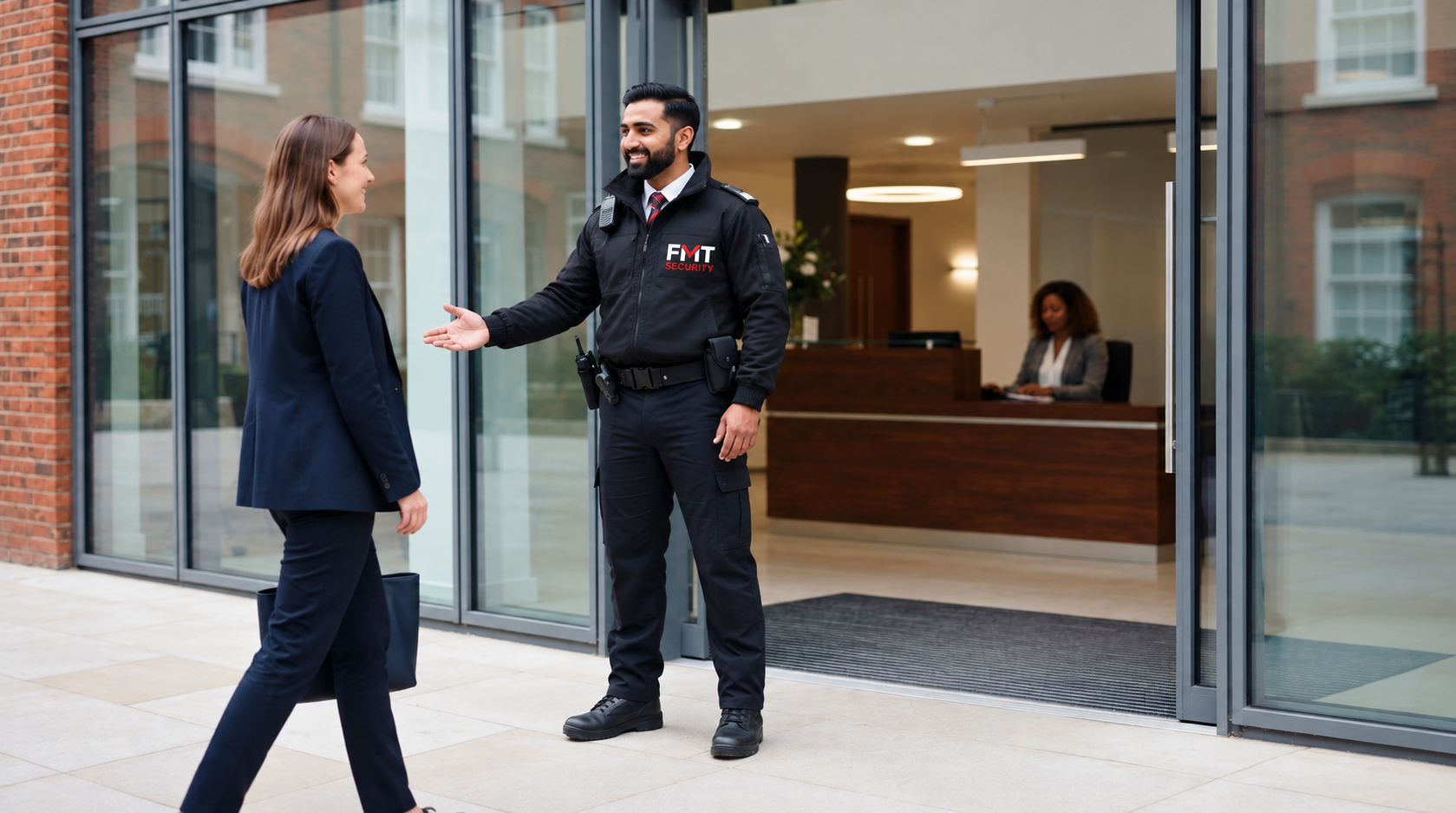
Corporate premises bring together staff, visitors, sensitive areas and business-critical assets. Manned guarding services can be tailored to the building’s access arrangements, with duties covering reception, visitor sign-in and restricted areas. At an office, officers can direct visitors to reception and follow established entry procedures. A static post can provide consistent oversight at the main entrance.
Meetings create temporary access needs within familiar buildings. Before attendees arrive, define the room location, approved visitor route, staff contact and procedure for unexpected arrivals. Manned guarding services can support these arrangements while normal office activity continues. For a sensitive meeting, the plan can also identify restricted areas and who may authorise access changes.
Events need procedures suited to the venue, attendance arrangements and programme. Organisers should establish entry points, staff responsibilities, restricted areas and a process for escalating incidents. Officers can guide guests, monitor access and report concerns to the designated event lead. At a conference, this may mean keeping attendee areas separate from staff facilities and operational spaces.
Licensing and deployment also matter. The Security Industry Authority requires a valid SIA licence for security guards carrying out licensable work. Match each officer’s duties to the site plan, then brief them on reporting lines, emergency arrangements and expected conduct. A named event lead or building manager should receive incident updates and manage operational decisions.
Effective coverage depends on clear handovers as well as visible deployment. Record site-specific instructions, current access arrangements and unresolved incidents for the next officer or manager. This supports continuity when duties shift between reception, meeting areas and event entrances. For support with corporate premises or planned gatherings, discuss corporate and event security requirements.
FMT Security: Construction Security
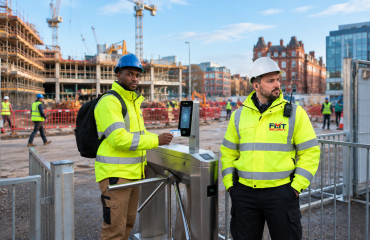
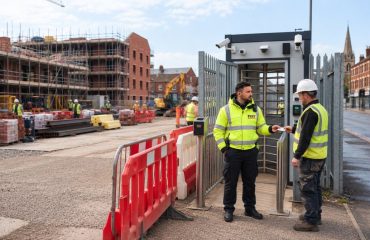
FMT Security provides Construction Security for sites where materials, equipment and access points need dedicated oversight. A site-specific guarding arrangement can reflect the project’s layout, work patterns and identified risks, helping businesses set clear procedures for access and incident reporting.
For other operational settings, FMT Security also provides Corporate Security, Industrial Security and Event Security. These services suit offices, industrial premises and planned gatherings that need a defined security presence aligned with their environment and access requirements.
Share your site or event requirements with FMT Security to discuss a suitable approach. Contact FMT Security or visit fmtsecurity.co.uk.
Set a clear direction for your site’s security
Turn your security priorities into an operational brief. Identify the areas needing oversight, the access procedures officers must follow and the reporting route managers expect. This gives a discussion about manned guarding services a practical starting point, focused on your premises and business continuity.
FMT Security provides Construction Security, Corporate Security and Industrial Security. These services support organisations managing exposed building sites, office environments or operational premises where clear guarding duties matter. A useful brief describes the site’s purpose, operating pattern, access arrangements and the concerns you want officers to address.
Share those priorities with FMT Security to discuss an appropriate approach for your business. Contact FMT Security about guarding and take the next step towards a more clearly defined security plan.
Frequently Asked Questions
Do manned guarding companies need an SIA licence in the UK?
Officers carrying out licensable guarding work must hold a valid SIA licence, according to the Security Industry Authority. Confirm that the officers assigned to your site have the appropriate licence and understand their duties. A written post description should clarify access responsibilities, reporting lines and who manages incidents, rather than relying on the provider’s name alone.
Can manned security provide a return on your security investment?
Assess the value of guarding by comparing its cost with the risks addressed and operational disruption avoided. For example, a site handling valuable stock can review theft records, access weaknesses and time spent managing incidents before setting objectives. Track outcomes against those measures over time to evaluate whether the deployment supports asset protection and business continuity.
Is manned guarding worth having if I already have CCTV surveillance?
Yes, when your site needs a person to act on what cameras capture. CCTV can record activity, while an officer can manage access, speak with visitors or report an incident to the responsible manager. For example, a warehouse may use cameras to monitor a loading area and an officer to respond to an unexpected arrival. Define how alerts and reports should be handled.
What type of guarding suits an urban business?
Choose duties to suit the premises and its busiest access points. A corporate office may need reception coverage and visitor management, while a shop may prioritise staff support and observation of customer areas. If a business has several entrances, identify which need a fixed officer and which require periodic checks. Let the daily schedule and site layout shape the assignment.
What are the qualifications and licensing requirements for manned security in the UK?
Officers carrying out licensable guarding work need a valid SIA licence, according to the Security Industry Authority. Security officers in guarding roles are typically vetted under BS 7858, the British Standard for screening individuals employed in a security environment, according to the British Standards Institution. Before deployment, match the officer’s role to the site duties and establish clear supervision and reporting arrangements.
What is the difference between static guarding and mobile patrols?
Static guarding assigns an officer to an agreed post, such as a reception desk, gate or site entrance. Mobile patrols move between locations or checkpoints along scheduled or random routes. A premises needing continuous oversight at one access point may suit a static post; a business responsible for several properties may use patrols to inspect them. The right choice depends on site layout and duties.